Meet the Farmer - Canadian Beef | Canada Beef

MEET THE FARMER

The International Year of the Woman Farmer – 2026

The United Nations declared 2026 the International Year of the Woman Farmer (IYWF) with a goal to build awareness around the vital roles of women farmers in shaping and sustaining agrifood systems – efforts that often go unrecognized.

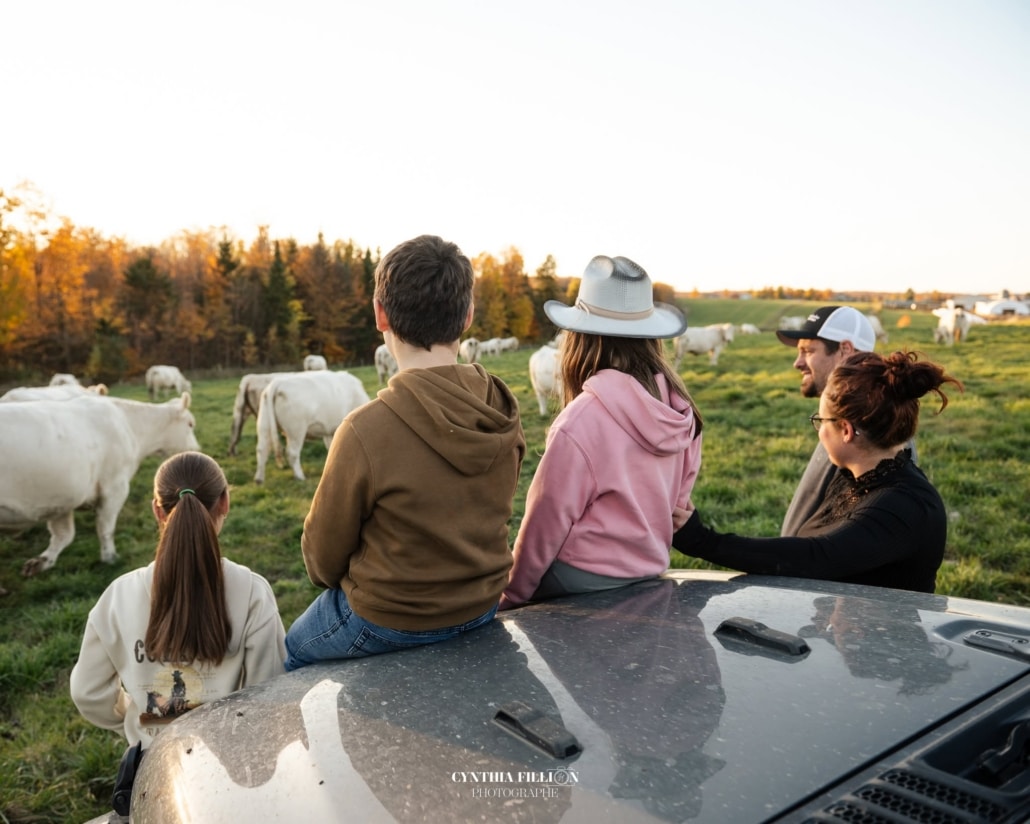
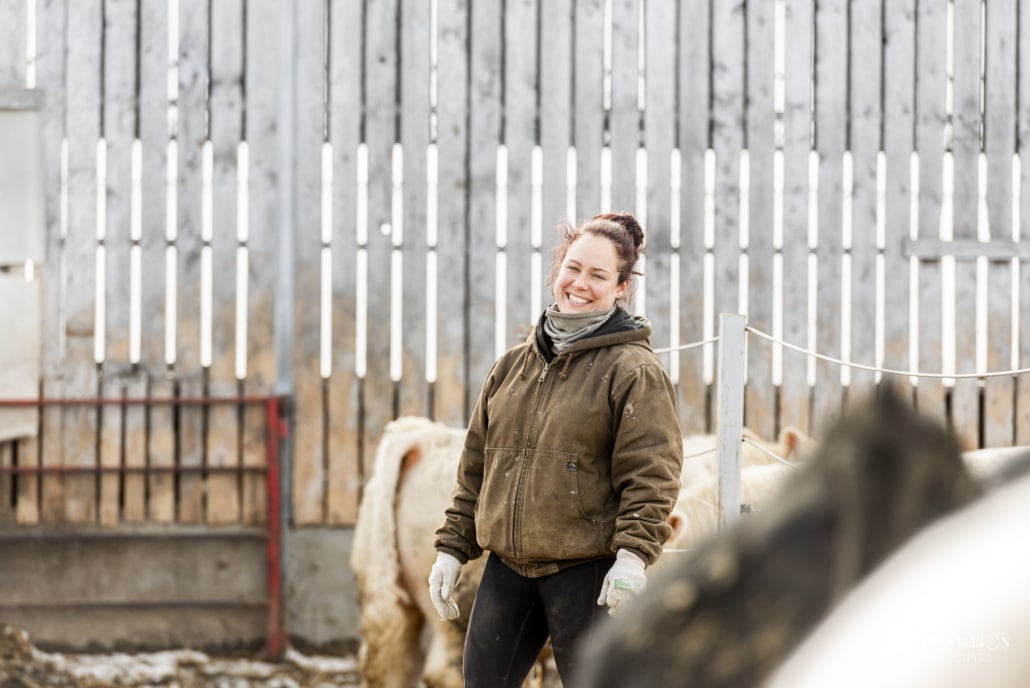
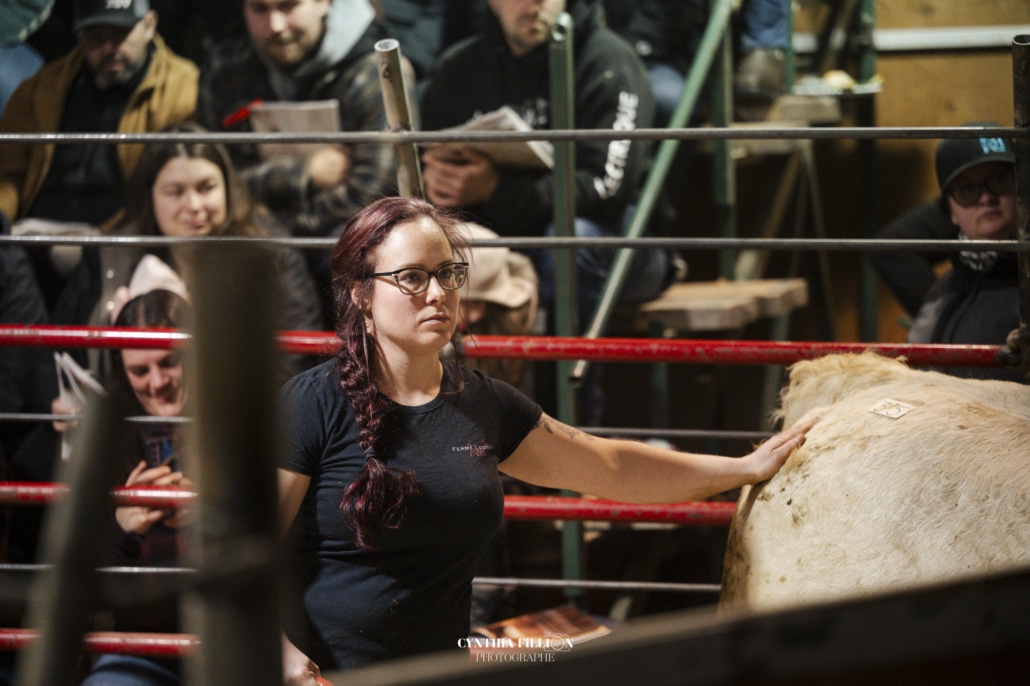
Canada Beef is honoured to showcase women owner/operators in the Canadian beef cattle industry. Follow along on our social pages and on this web page as we feature monthly profiles of women beef producers and acknowledge their leadership and contributions towards creating a sustainable Canadian beef industry.
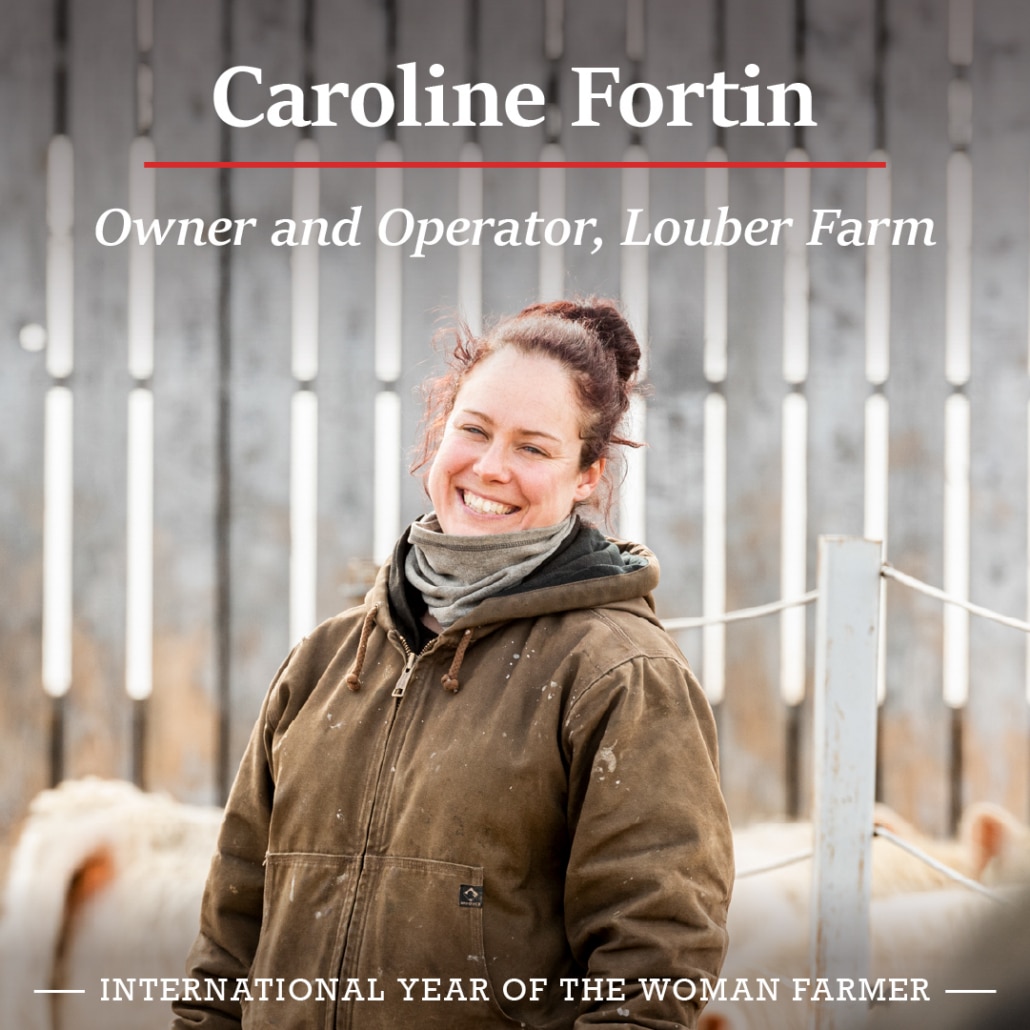
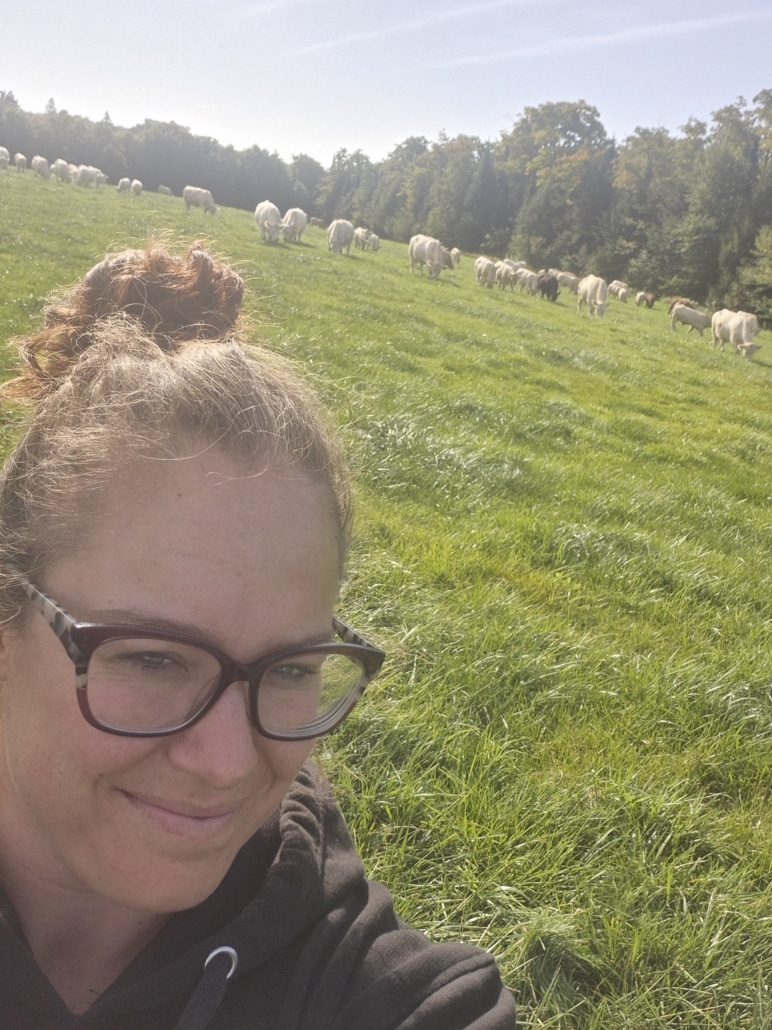
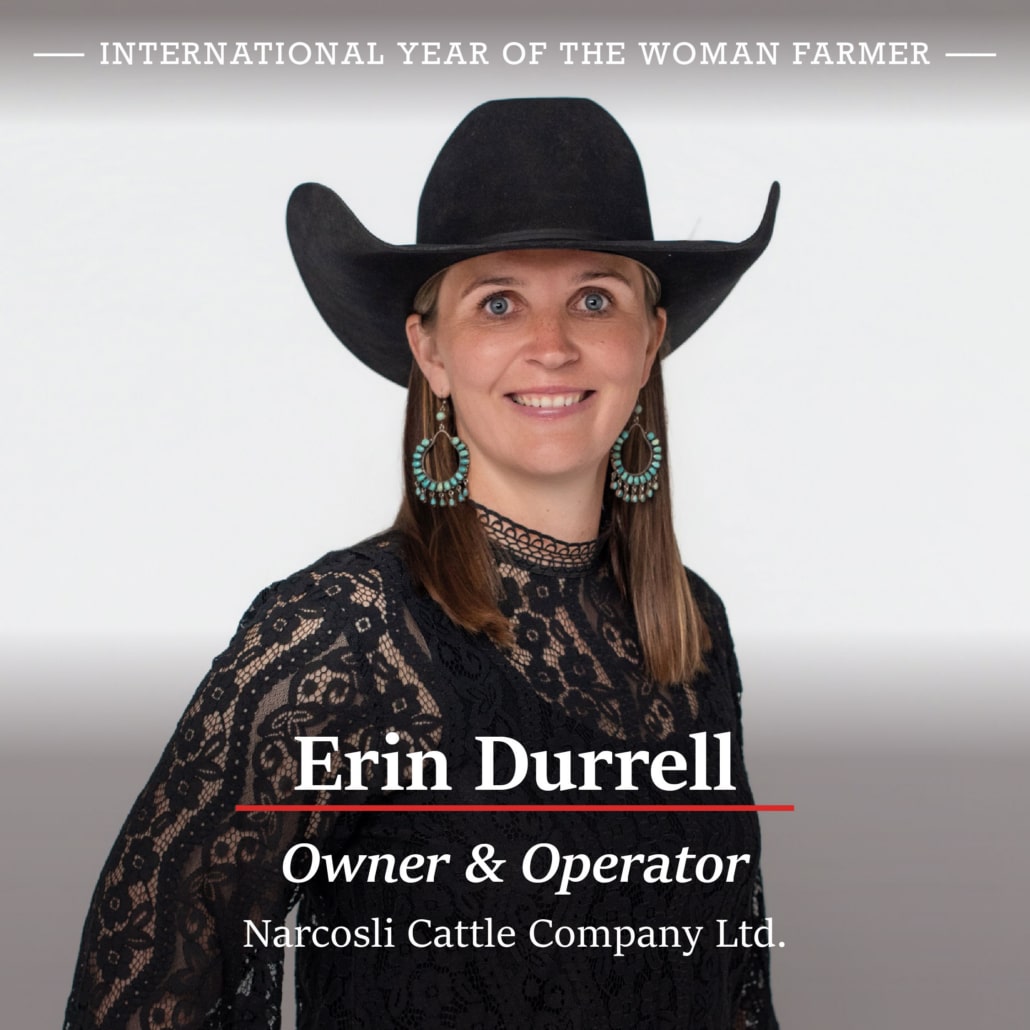
Erin Durrell

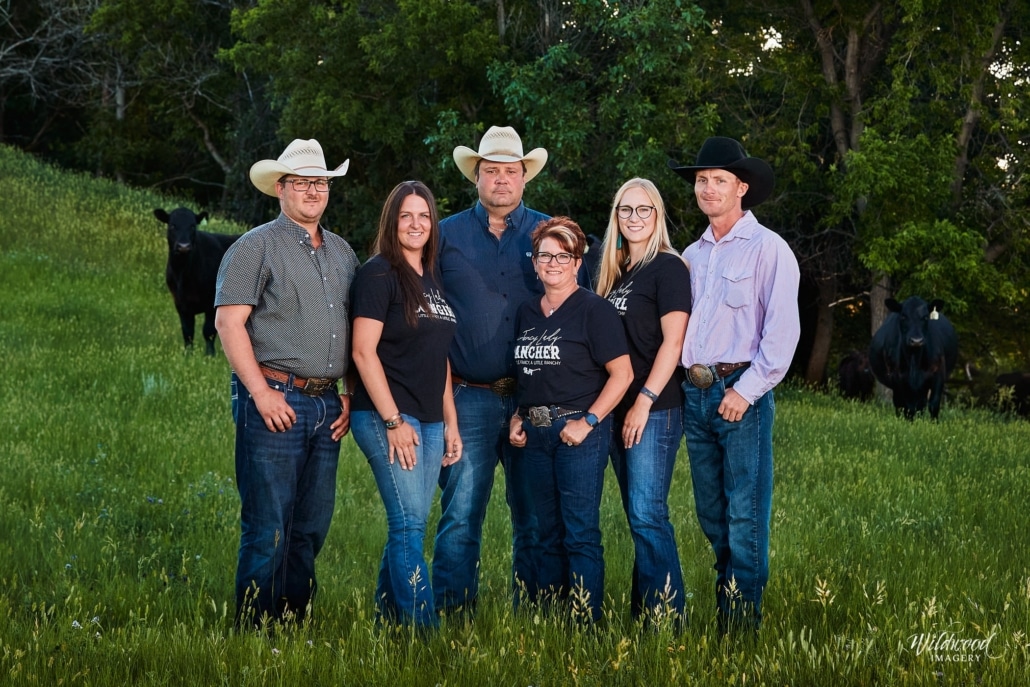
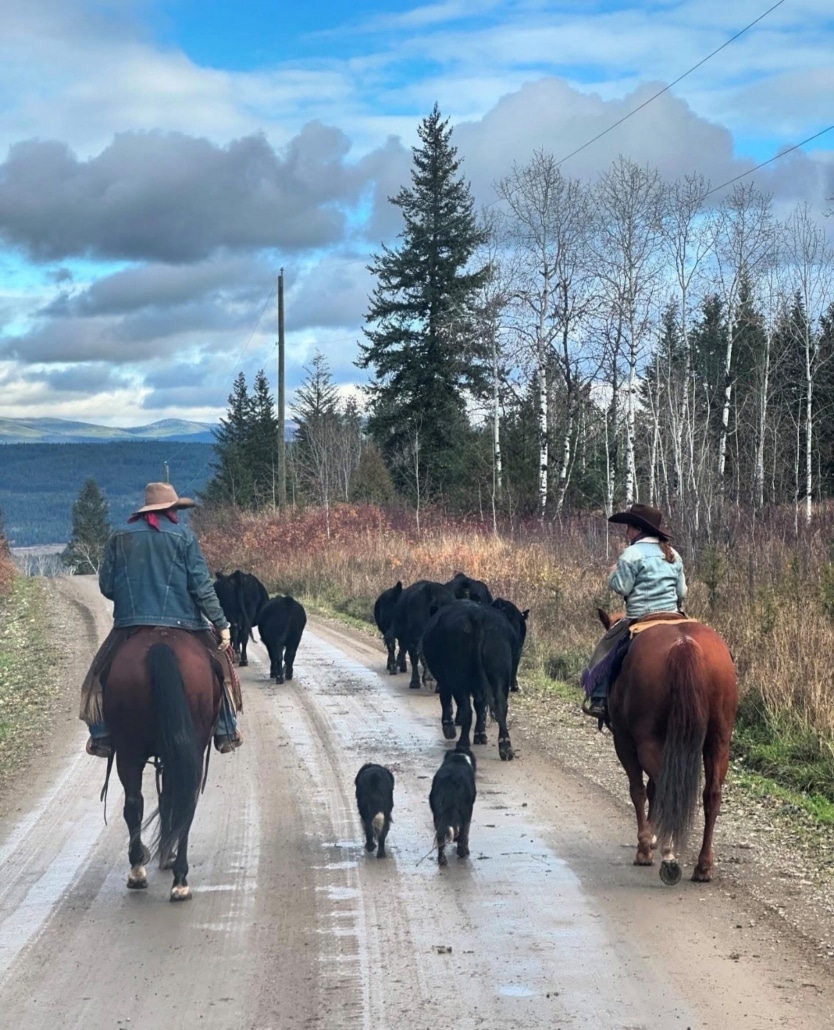
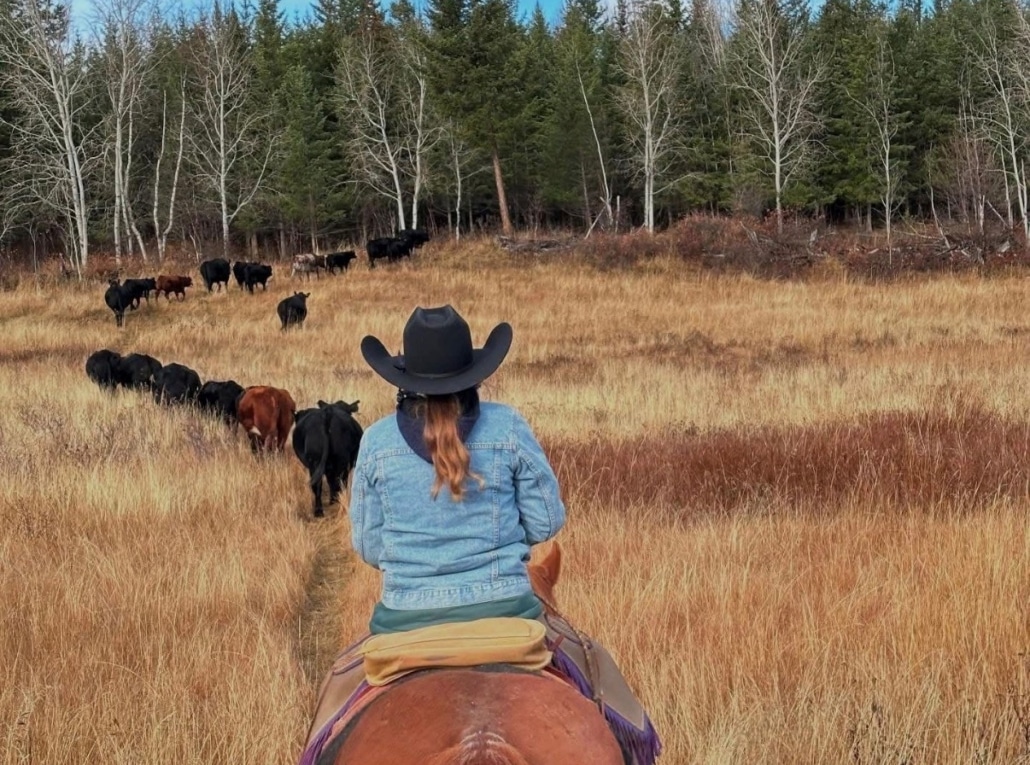
Erin is a fourth-generation rancher rooted in B.C.’s Cariboo Chilcotin “Cowboy Country,” where she helps lead Narcosli Cattle Company alongside her family near Quesnel.

With deep ranching heritage and active involvement across the cattle industry, she’s focused on sustainable beef production, responsible grazing, and land stewardship that supports both livestock and ecosystems.

For Durrell, it’s about carrying forward a family legacy while raising the next generation on the ranch and continuously improving how Canadian beef is produced, one season at a time.

Her favourite season on the ranch?

Fall. Gathering cows and calves off our range, weaning and shipping calves and seeing the end of the year’s work come to fruition. The weather is beautiful in September and October and its just a great time to be in the bush and out on the land with a good herd of cattle.

What’s one thing you wish consumers knew about Canadian beef farming?

How much ranchers respect and care about their cattle, the land and natural resources. That we are continuously working to maintain the sustainability of the land and resources we use so that it is here for future generations.

Durrell’s favorite go-to Canadian beef recipe?

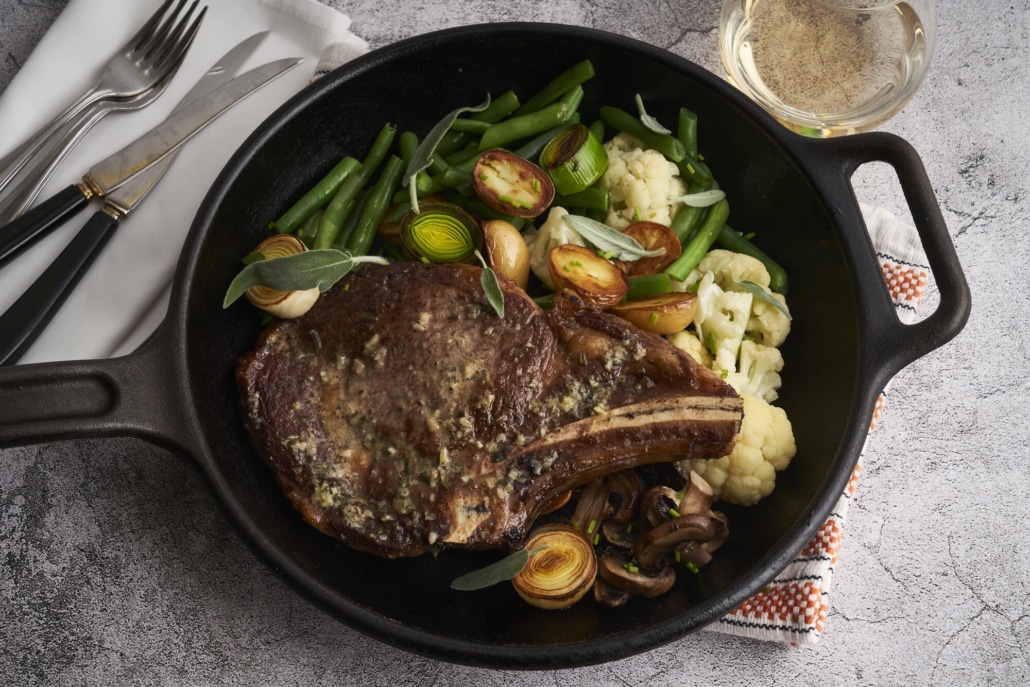
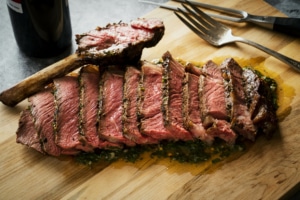
Anything involving a good steak (especially a rib steak) and a hot cast iron skillet. “I’m a minimalist when it comes to cooking steak. I use salt and pepper on both sides of the steak, sear it in olive oil in a hot cast iron skillet to rare, then let it rest briefly before slicing. I serve it with a salad and other side of choice such as roasted potatoes.”

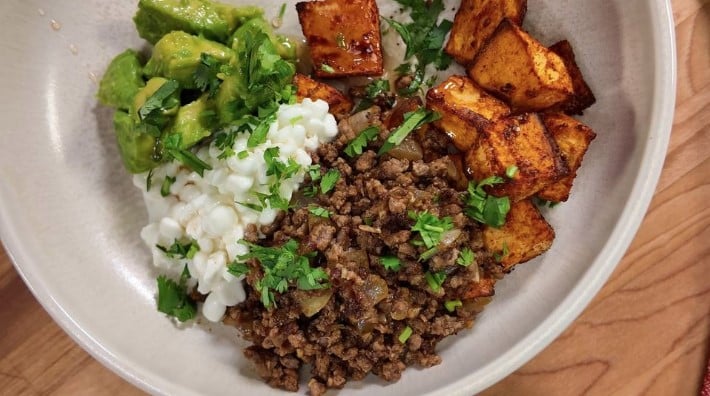
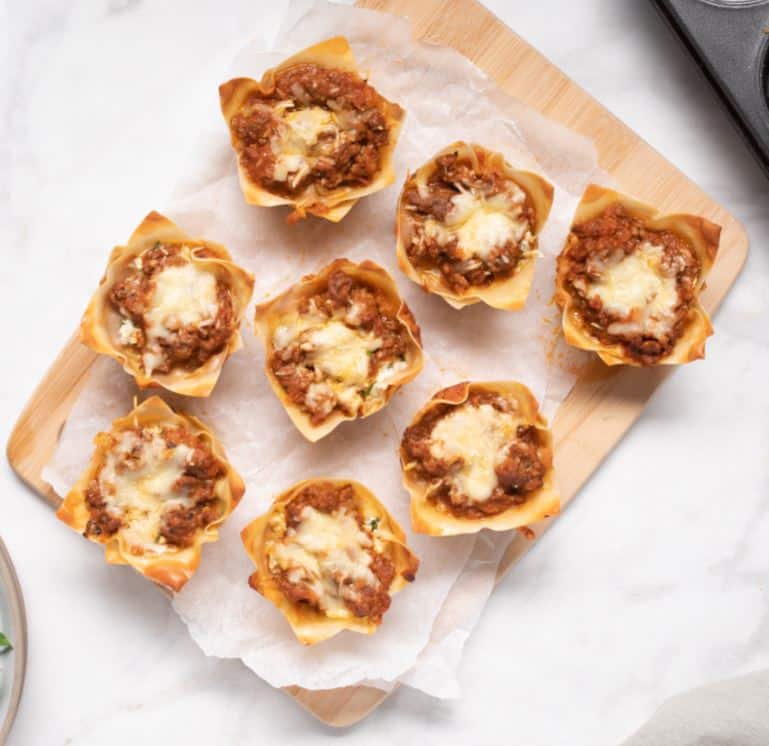
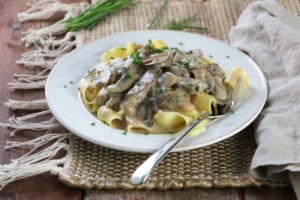
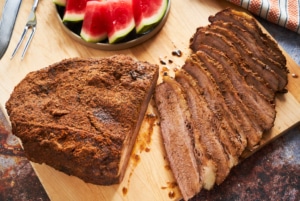
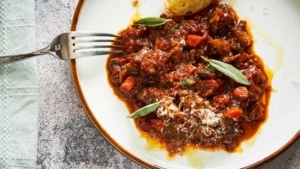
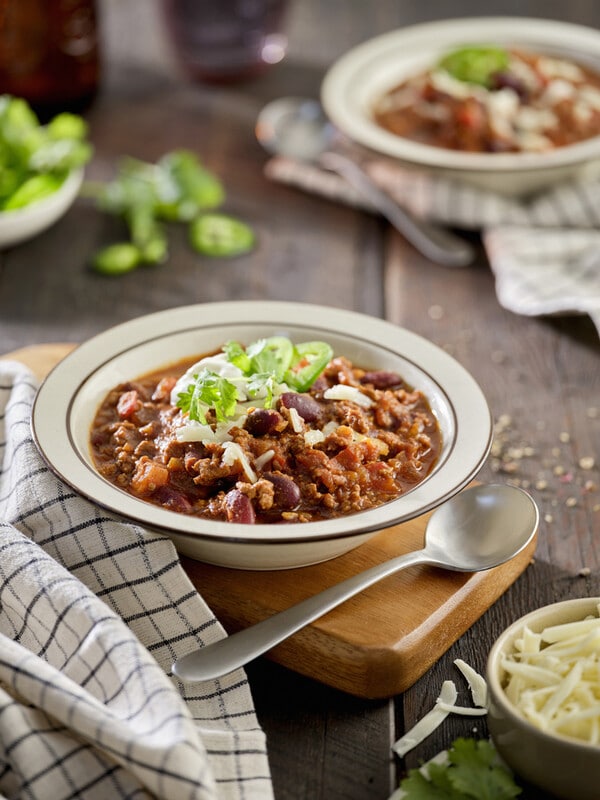
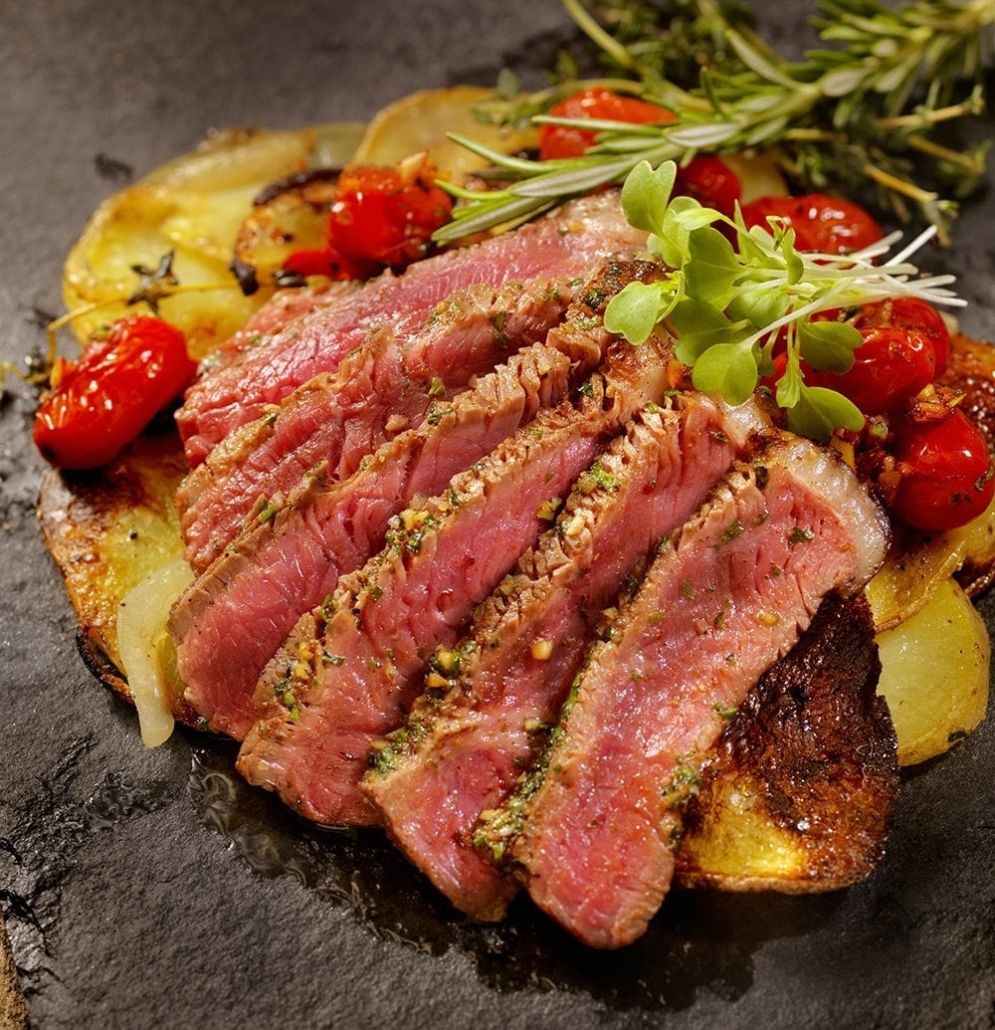
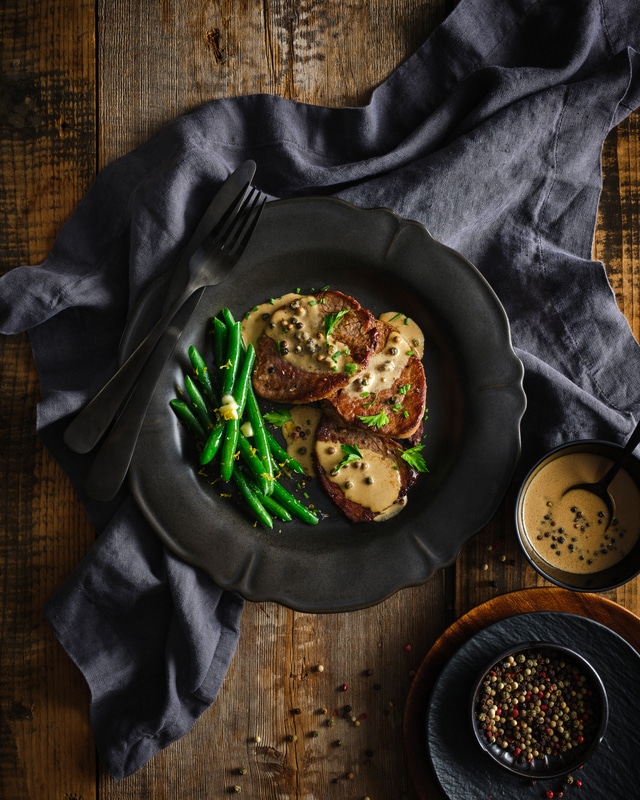
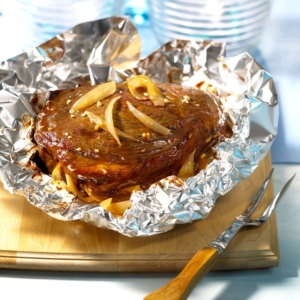
Here are two more simple and delicious recipes that Canada Beef thinks you will like.

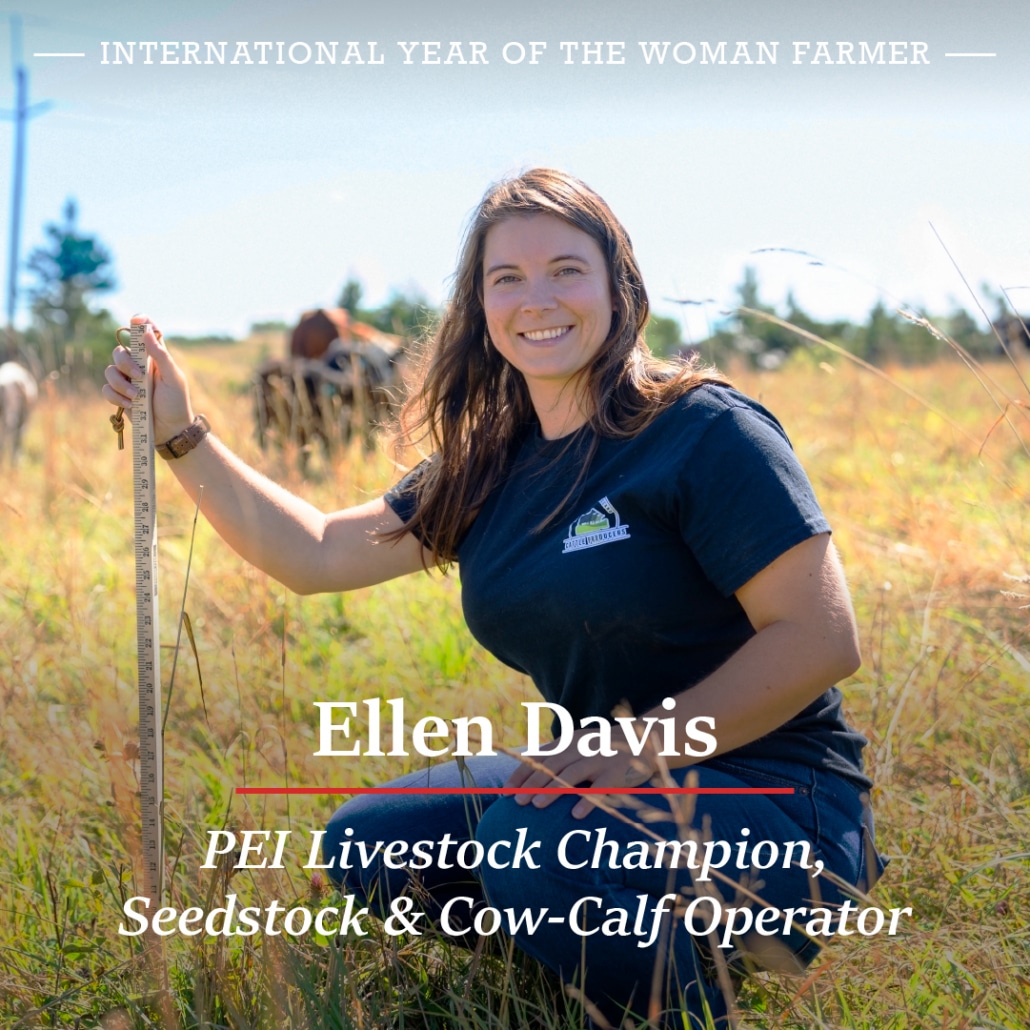
Ellen Davis

Born and raised on a cow-calf operation in Mates Corner, New Brunswick, cattle have always been part of Ellen’s story. Today, she runs a small purebred Simmental herd alongside her family’s commercial operation, raising cattle with care, precision, and a deep respect for the land.

From analyzing genetics and planning breeding decisions years in advance, to the excitement of calving season each spring, her passion is rooted in seeing those decisions come full circle. Using tools like AI and a strong herd health program, she’s focused on raising high-quality cattle while continually improving her herd.

Beyond the farm, she’s proud to support the future of agriculture in the Maritimes, helping farmers access resources, grow their herds, and strengthen the industry for generations to come. She’s also passionate about being a role model for women in agriculture, proving that there’s a place for everyone in this industry. Like most Canadian beef farmers, her operation is family-run built on hard work, consistency, and a commitment to producing an amazing product.

Her favourite season?

Calving, when new life hits the pasture and the next generation begins.

Most beef farms are family operated and we typically have an off-farm job to be able to farm. We are creating a high-quality product.

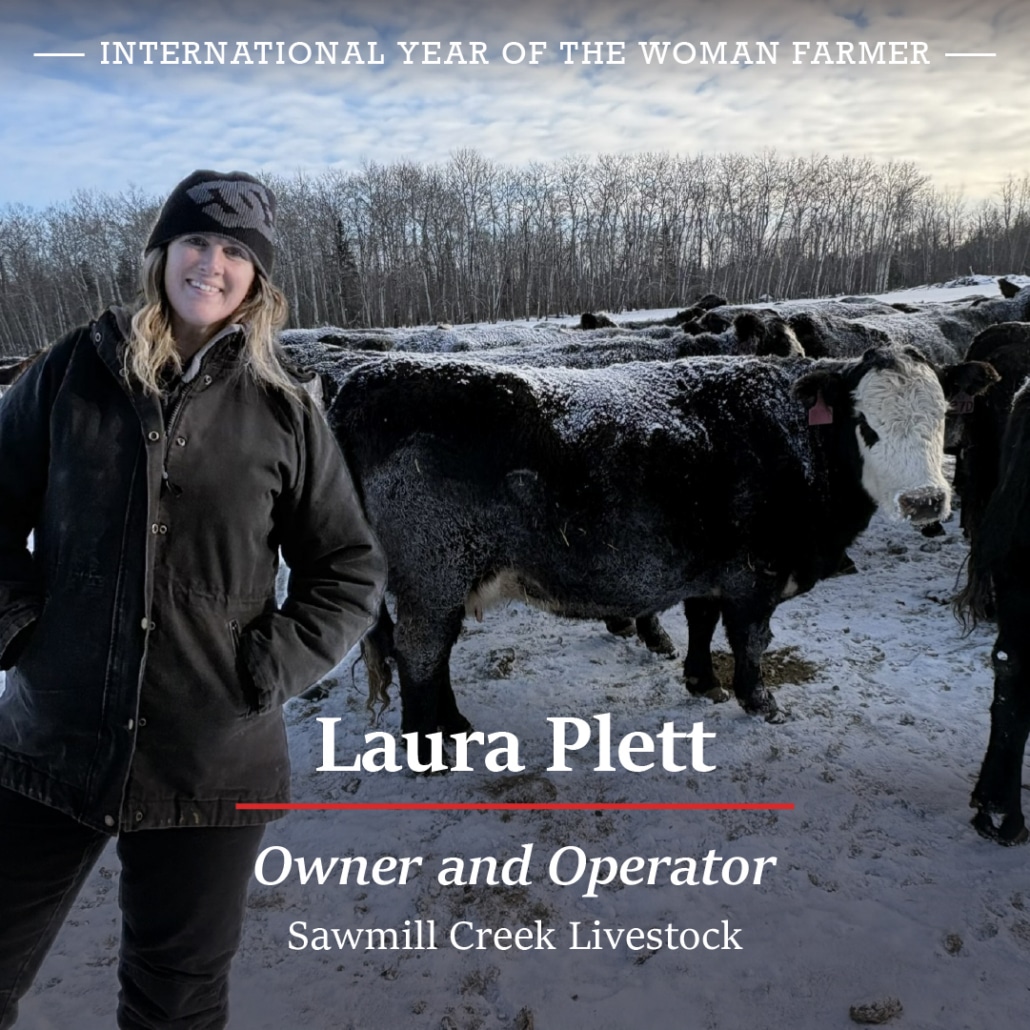
Laura Plett

Laura wishes more consumers knew that cattle are an important part of a healthy grassland ecosystem. “This ecosystem was built and sustained by large grazers; this is the way it’s always been.”

For the Plett family, raising cattle means there is no time in the day or time in the season to get bored. Each season is spent preparing for the next, and there is something in every season to look forward to. Winter allows them to focus on cattle nutrition, management decisions, and planning for the future. Spring brings the excitement of calving season. “Seeing the new calves and seeing my son see the new calves is so much fun,” she said.

Summer is very productive executing on the plans they have been making all year. “Seeing the feed yard fill up and cattle putting on pounds grazing the grass they’ve waited for all year is the best sight,” she offers.

Fall is about satisfaction, of bringing all the herds together again and seeing a hard years’ work come home safe and sound, she said.

There’s a great deal of pride involved in building a ranch and raising a family up in it at the same time. It’s been a lot of work, but knowing we have done it all side by side as a family makes me most proud. Our son Dustin has been involved in every part of it and having him along for the ride has brought so much joy. He’s the 5th generation on this land, and that has come from a lot of hard work in the past 100 years.
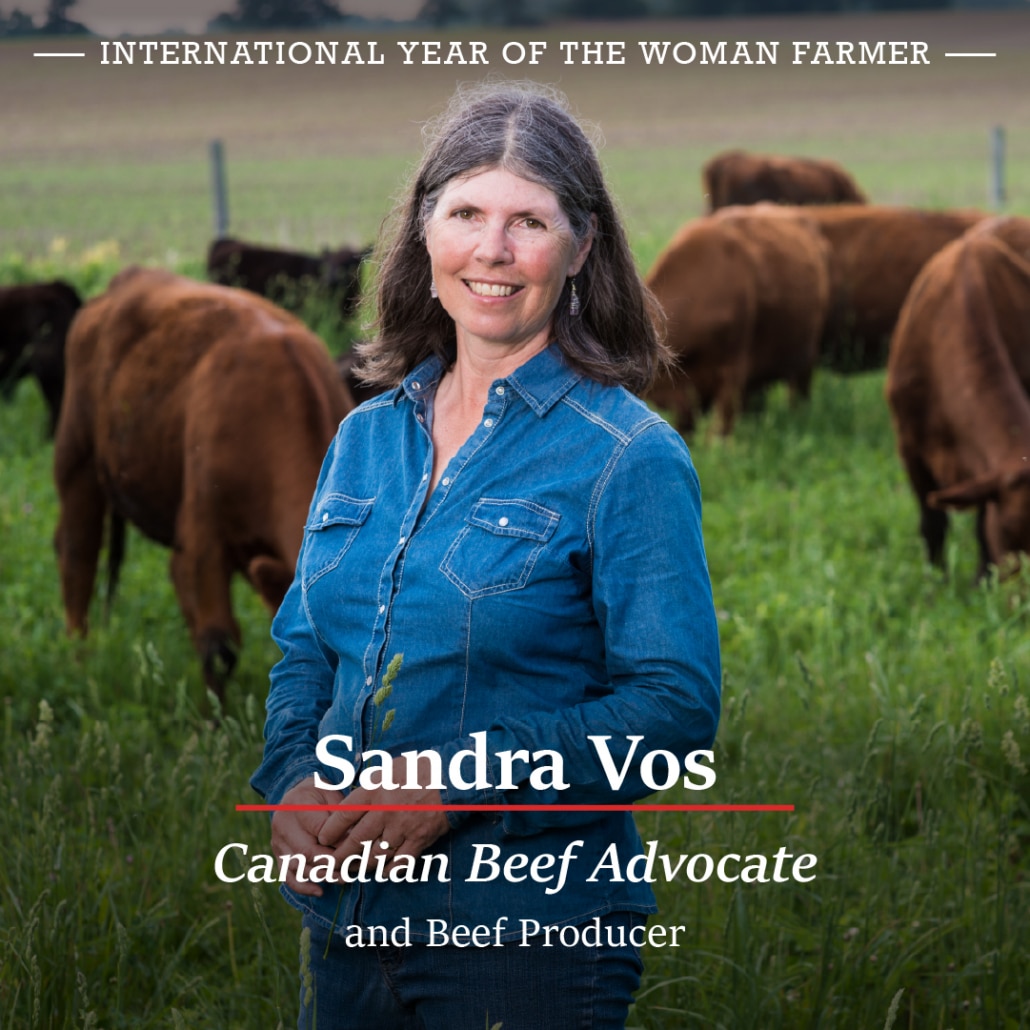
Sandra Vos

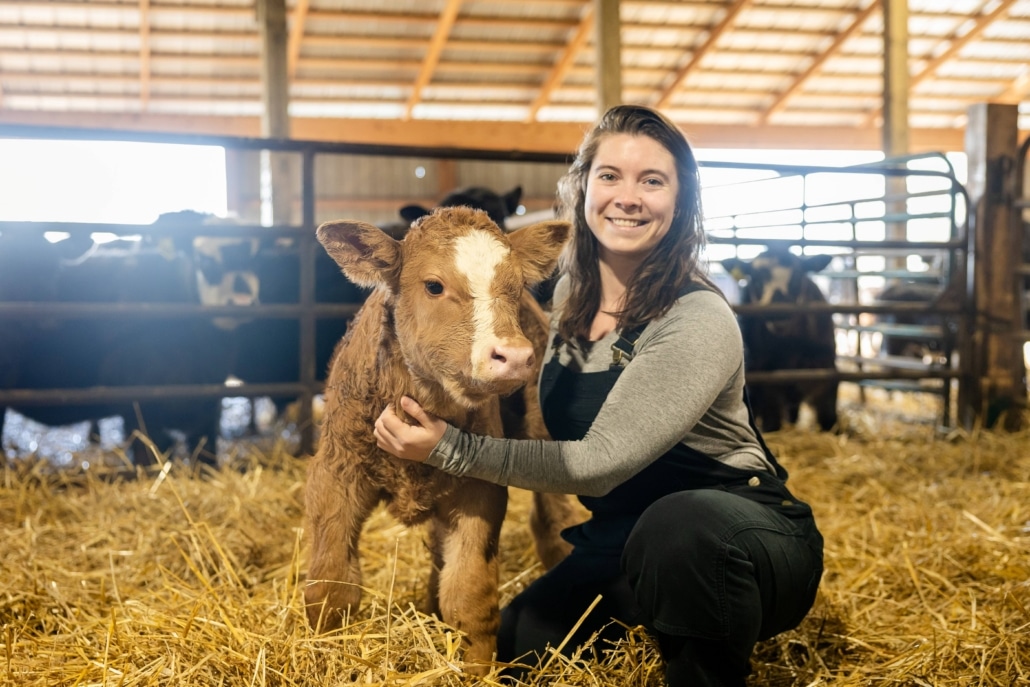
A leap of faith can change everything. In 2001, Canadian beef advocate Sandra Vos bought 80 acres of bare farmland in Southern Ontario, despite having no farming background. What began as curiosity became a calling. Inspired by grass-based cattle systems she discovered in New Zealand, Sandra built a sustainable cow-calf operation rooted in rotational grazing, biodiversity, and land stewardship.
Now, 25 years later, she raises Angus cattle on pasture in Brant County, connecting urban consumers to how beef can support healthy soils, wildlife habitat, and vibrant grasslands. Her guiding principle? Take care of the land, and the land takes care of you. Sandra’s favourite season on the ranch is winter, as “Everything slows down, gives time to reflect on how the past year went, and what changes I want to consider for the upcoming seasons. More time to be grateful for everything that makes it possible to farm in Canada.”

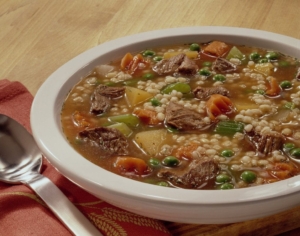
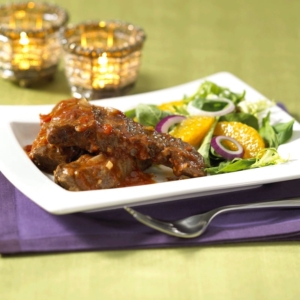
What gets Sandra through the cold winter months? Any type of homemade beef-based soup – and short ribs for a treat, always using her homemade beef broth.
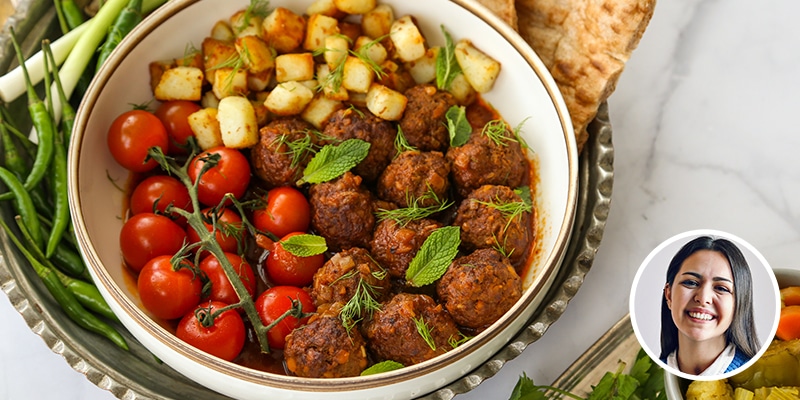
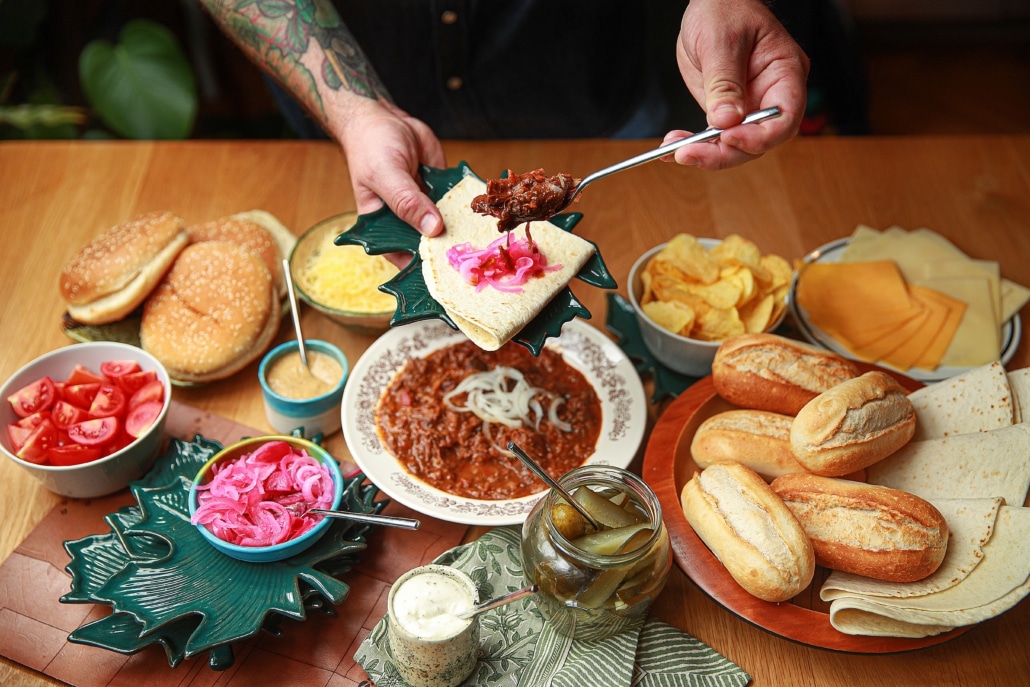
Try one or both of Sandra’s favourite Canada Beef recipes.

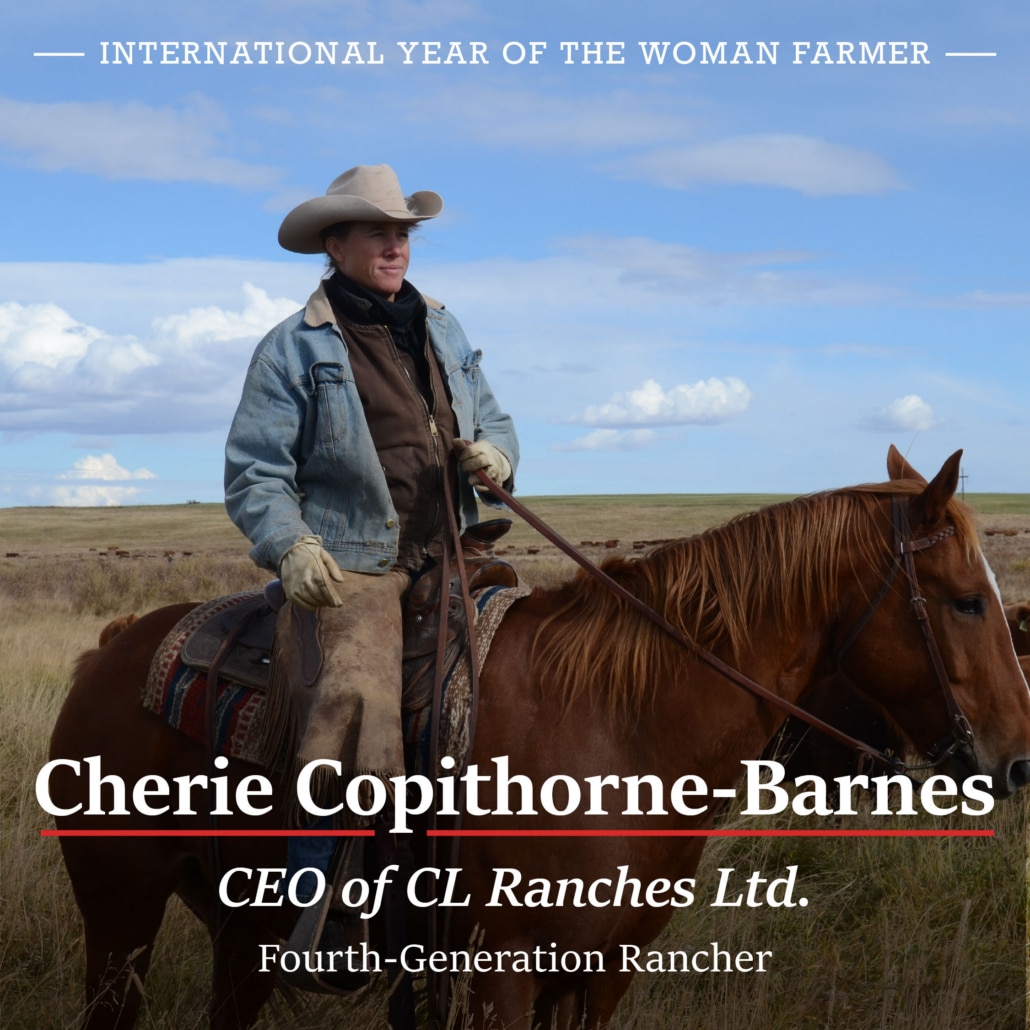
Cherie Copithorne-Barnes

Ranching runs deep for Cherie at CL Ranches Ltd. Founded in 1887, this historic family operation in Jumping Pound, Alberta is proudly led by the 4th generation, with hopes of welcoming the 5th soon.
Cherie has raised beef cattle her whole life; managing CL Ranches for the past 30 years as well as ranches in Canada and Uruguay. She has earned her position through hard work, leading by example and perspective, having seen the beef business from multiple lenses.
For Cherie, ranching is a business built on healthy cattle, healthy land, and clean water. As a rancher and beef industry leader, she enjoys showing stakeholders just how incredible ranching is, in terms of how raising beef contributes to their lives – whether that be through the food system or its beneficial impacts on the environment. “My family has been here for 138 years, and I am still finding and learning new things every year. New species, weather patterns or simply how new genetics perform in our grazing system, there is always an ah-ha moment.”

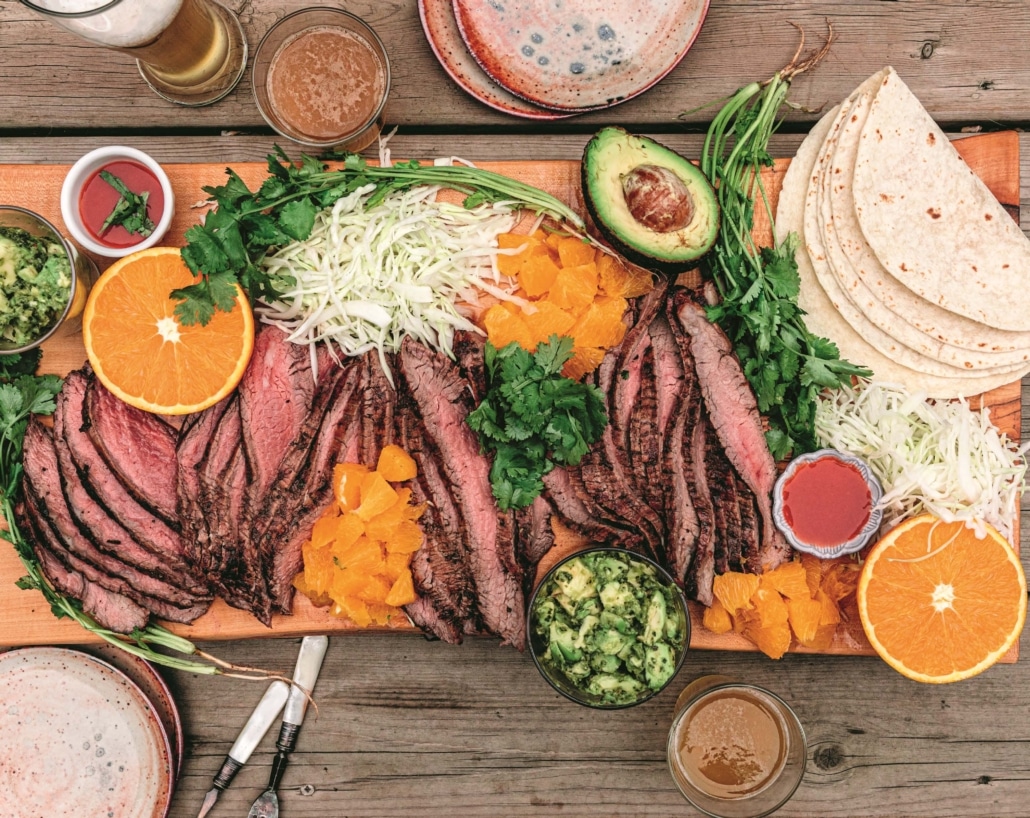
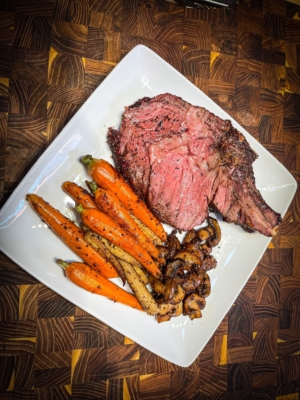
Cherie’s favourite Canadian beef recipe? “I love charcoal-grilled picanha (sirloin cap). Beef, unlike chicken, doesn’t require a sauce to make it taste great. A little salt, pepper and garlic is all you need.”

Check out the Charcoal-Grilled Prime Rib Roast for Two recipe.

Facts on Woman and Farming

  • Fact #1

    Women made up 41% of the global agrifood workforce in 2021 —almost equal to men— yet rural women disproportionately face precarious jobs, poor working conditions, and limited rights, according to IYWF 2026.

  • Fact #2

    According to the Canadian Census of Agriculture, in 2021, 30.4% of Canada’s farm operators were female, up from 28.7% in 2016. The 2.3% increase in the number of female farm operators was attributed to growth in a specific farm category.