
|
|
| View in browser | |
 Nutrient-dense beef contains key nutrients that many Canadians need more of in their diets A recently published study (May 2021), conducted by researchers at the University of Toronto, concluded that a significant number of Canadian adults do not meet the dietary intake recommendations for several essential nutrients. Nutrients of concern include iron, zinc, the B-vitamins B12, B6 and thiamin, magnesium and potassium, among others. 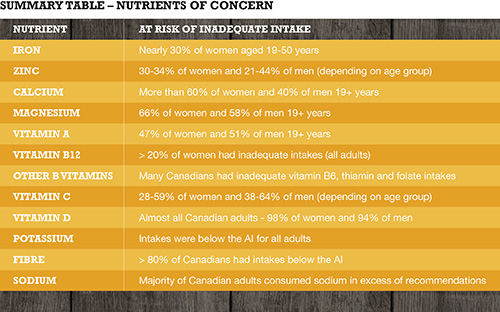 The study, published in the American Journal of Clinical Nutrition, was based on data collected by Health Canada, in partnership with Statistics Canada, as part of the most recent national survey of Canadians’ food and beverage intakes, called the Canadian Community Health Survey (CCHS). The data assessed the dietary intake of 11,992 Canadian adults, ≥19 years. CCHS data is used for nutrition policy and planning purposes by the Canadian Government (for e.g., development of Canada’s Food Guide) which makes this study of particular importance. According to the study, a majority of Canadians are at risk of not meeting the recommended intake levels for several essential nutrients. The authors commented that Canadians’ adherence to dietary guidelines and recommendations is low. This, along with the consumption of energy-rich, nutrient-poor foods and physical inactivity, predisposes many Canadians to chronic diseases, the authors noted. Study findings noteworthy to beef consumption included:
“This study is extremely useful to help us understand beef’s valuable role in the diet of Canadians,” Barlow said. “Beef is a naturally nutrient-dense protein food that contains a number of the nutrients of concern that many Canadians need more of in their diets. A relatively small portion of beef can go a long way towards helping Canadians meet their nutrient needs.” The nutrients of concern beef delivers include: 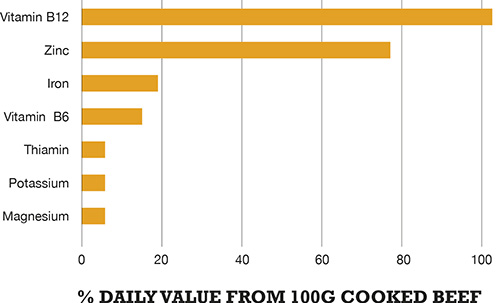 Source: Nutrition - ThinkBeef [https://thinkbeef.ca/nutrition] Steering people towards more whole, nutrient-dense foods, like beef, and away from nutrient-poor foods can help to address the nutrient shortfalls identified in the study. In fact, the authors of the study stated that: “Following a healthy eating pattern that includes nutrient-dense foods can help ensure nutrient intakes are met, while supporting periods of growth, development, and aging, as well as a healthy body weight.” For more information on the nutritional benefits of beef for the whole family, and additional perspective from athletes and dietitians, please visit: www.thinkbeef.ca Reference: Ahmed M, Ng AP, and L’Abbe MR. Nutrient intakes of Canadian adults: results from the Canadian Community Health Survey (CCHS)-2015 Public Use Microdata File. Am J Clin Nutr 2021;nqab143. Back to main page |
|
CONTACT US Suite 146, 6715 – 8th Street NE Calgary, AB Canada T2E 7H7 Tel: (403) 275-5890 [email protected] canadabeef.ca |
You’re receiving this newsletter because you’ve subscribed to Canada Beef Performs. No longer interested? Forward to a friend? Comments? Email our editor at [email protected] © 2021 Canada Beef. All rights reserved. |

|
 |